 PassportPhotoSizes
Visa Photos Are Not Passport Photos
By PassportPhotoSizes Editorial · Reviewed · 3 min read
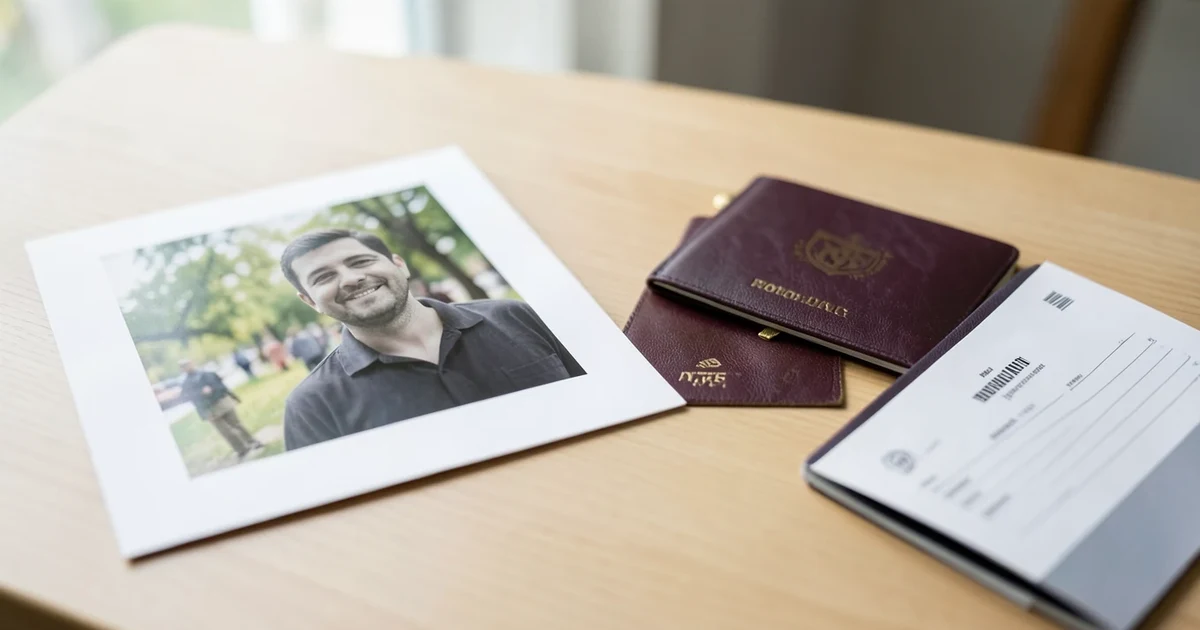
Two different documents, two different specifications, frequently issued by two different countries. Which is why so many visa applications come back on a photo that was perfectly valid for the passport it sits next to.
The two things that differ
The issuing authority. Your passport photo meets your country's requirements. A visa photo meets the requirements of the country you are visiting. Those are unrelated specifications.
The document. Even within one country, the visa specification is sometimes different from the passport specification, because they were written at different times against different systems.
The common cases
| Visa | Size | Notes |
|---|---|---|
| United States (all visa classes) | 51 × 51 mm (2 × 2 in) | Same as a US passport photo — but not the same as most applicants' own passport size |
| Schengen | 35 × 45 mm | Matches most European passport sizes |
| United Kingdom | 35 × 45 mm | Digital upload for most routes |
| India (e-visa) | Square, digital | Specific file size and pixel dimensions |
| China | 33 × 48 mm | Different from both the Chinese passport size and most others |
| Canada | 35 × 45 mm | Differs from the Canadian passport photo, which is 50 × 70 mm |
Canada is the clearest illustration. A Canadian passport photo is 50 × 70 mm, and a Canadian visa photo is 35 × 45 mm. They are not interchangeable in either direction.
The US case catches the most people: anyone outside the US applying for a US visa needs a 2 × 2 inch square photo, which is not a size their own country uses, and their existing passport photos are the wrong shape entirely.
What else differs
Beyond dimensions:
- Head height ranges differ with the frame size, which means a photo cropped for one and printed at the other's size fails on both measurements at once. The ranges are in head height.
- Background requirements can differ. Several countries want white for visas and a light grey or cream for their own passports.
- Recency. Six months is typical, and some applications additionally require that the photo is not the one already in your passport, so that a comparison can be made.
- Digital specifications for e-visas — file format, file size, pixel dimensions, compression. These are often stricter than the print requirements and are checked automatically at upload.
The rule worth applying
Check the specification published by the country you are travelling to, for the visa class you are applying for, on the day you apply.
Not the country you live in, not the passport specification, and not a summary written some time ago. Visa photo requirements change more often than passport ones, and consular sites are the authority.
Practical approach
- Take one good photograph, properly — plain background, even light, neutral expression, correct distance. That work is the same for every specification and it is covered in taking your own passport photo.
- Crop it separately for each destination. The passport photo tool does this from one source image, for any of thirty countries, with head-height guides.
- Print at the exact size required, or export at the pixel dimensions required for a digital application.
One photograph, several crops, is the efficient shape of this. Retaking the photograph for each country is not.
The full set of dimensions is in passport photo size by country, and the reasons applications come back — most of which apply equally to visas — are in why passport photos get rejected.
Countries referenced
Keep reading
- The Background: Which White, and Why Shadows Fail ItNot every country wants white. And the background is rejected far more often for shadows than for being the wrong colour.
- Why Passport Photos Get Rejected — and How to Avoid ItWrong size, wrong head height, wrong background, glasses, shadows. The eight reasons applications come back, and what each one actually requires.
- Your Passport Photo Was Rejected. What Happens Now?The application is usually held rather than refused, and the letter tells you which requirement failed. Here is what each rejection code actually means.